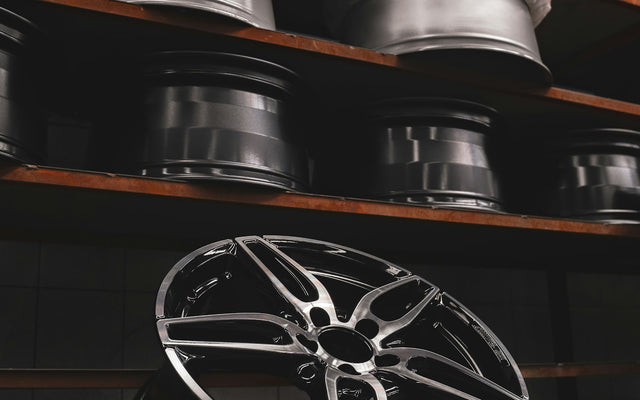
Changing the colour of the wheels is one of the most noticeable upgrades you can make to a car and, with a good spray paint, you can do it yourself in a morning. For wheels we recommend spray paint with lacquer rather than a peelable coating: the finish is smoother and tougher, copes better with brake dust and washing, and doesn't peel over time.
What you need
- Our wheel paint kit: two cans of special wheel paint and a protective lacquer, in 31 colours, for the four wheels of a normal car (up to about 18 inches), for €29.95.
- Degreaser, soapy water and a brush.
- Fine sandpaper (400 to 600 grit) if the wheel has scratches or the old paint is damaged.
- Masking tape and paper, or an old pack of playing cards to protect the tyre.
- Gloves, a mask and a well-ventilated place.
Which colour to choose
- The classics: black, anthracite, gunmetal or aluminium, in gloss or matte.
- Contrast: gold, white or pearl white, which look superb on black or dark cars.
- Racing: red, blue or the fluorescent colours (yellow, green, blue, orange and red).
1. Prepare the wheels
It's easiest to take the wheels off, but you can also paint them on the car. Wash the wheels thoroughly with soapy water and degreaser, including between the spokes: brake dust is greasy and stops the paint sticking. If there's kerb damage, sand it lightly until smooth. Rinse and leave to dry completely.
2. Mask what mustn't be painted
The professionals' trick: slip playing cards between the wheel and the tyre, all the way round. They protect the rubber and come out in a second. Also mask the valve and, if the wheel is on the car, the brake disc and caliper with paper and tape.
3. Paint in thin coats
- Shake the can for at least a minute.
- Spray from about 25 cm away, in quick, even passes, starting and finishing off the wheel.
- Apply a very thin first coat: it doesn't need to cover everything. It acts as a key for the next coats.
- Wait about ten minutes and apply a second coat. If needed, a third.
- Don't try to cover everything in one go: that's what causes runs.
4. Finish with lacquer
When the colour is touch dry, apply the lacquer in two thin coats. It protects the paint from brake dust and washing and gives the final finish, gloss or matte.
5. Let it dry
In about an hour your four wheels are painted, but leave them to dry for 24 hours before refitting the wheels or driving, and wait a week before washing with strong products.
What about the brake calipers?
Coloured calipers behind freshly painted wheels are the perfect finishing touch. They need a different paint that withstands the heat of the brakes. We explain it in how to paint brake calipers. And to match the wheels to the car, see our ideas for wheel wraps and for a black or carbon roof.
Frequently asked questions
How many wheels can I paint with one kit?
The four wheels of a normal car, up to about 18 inches. The kit contains two cans of colour and one of lacquer.
Do I need to take the wheels off to paint them?
It's easiest, but you can paint them on the car if you protect the tyre (with playing cards), the valve and the brakes well.
Is it better to paint wheels or use a peelable coating?
For wheels, spray paint with lacquer: the finish is smoother and tougher, copes better with brake dust and washing, and doesn't peel over time.
How long does wheel paint take to dry?
You can paint them in an hour, but it is best to wait 24 hours before refitting the wheels or driving, and a week before washing them with strong products.


